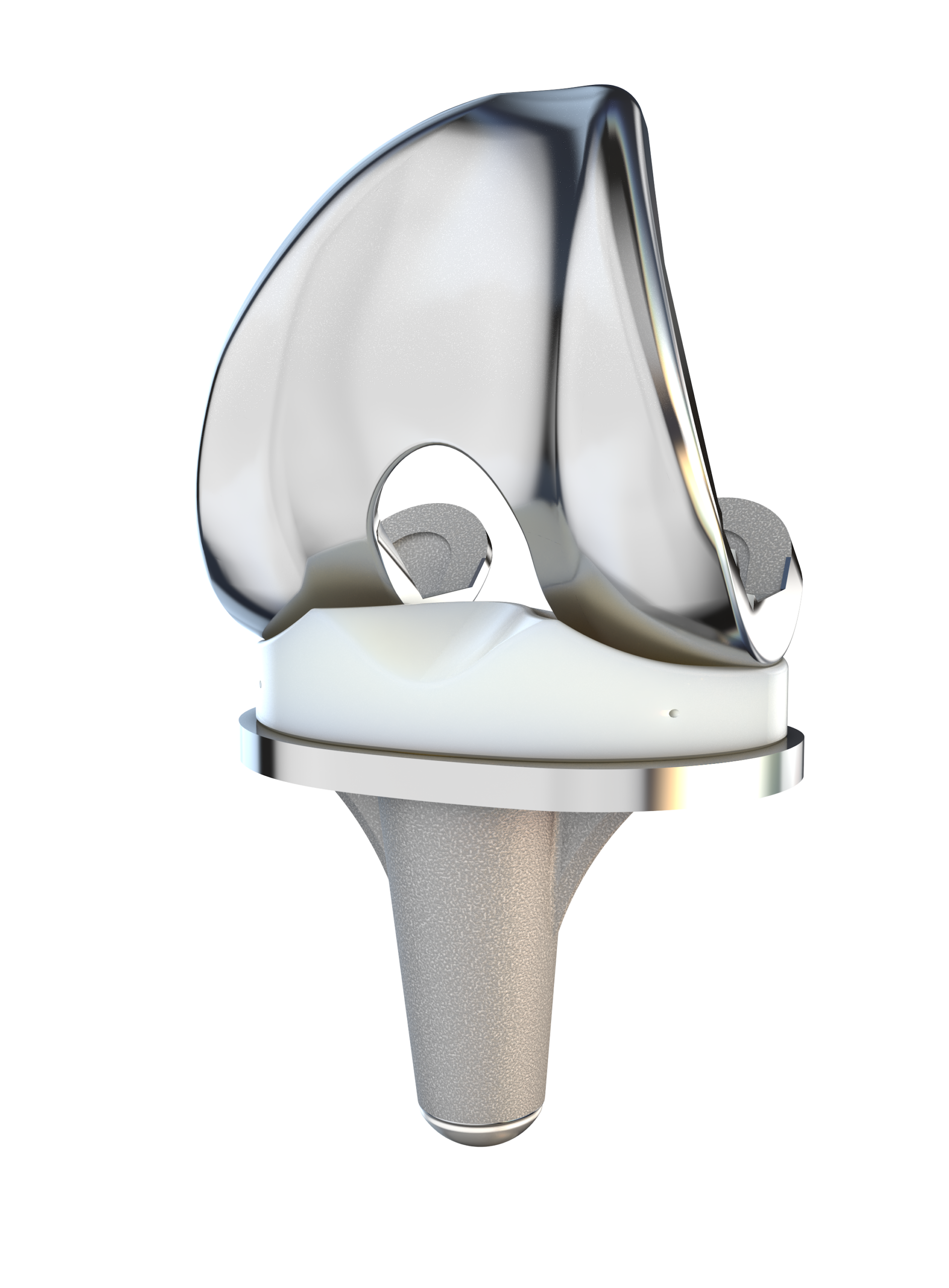
Greater flexibility and functionality for primary procedures

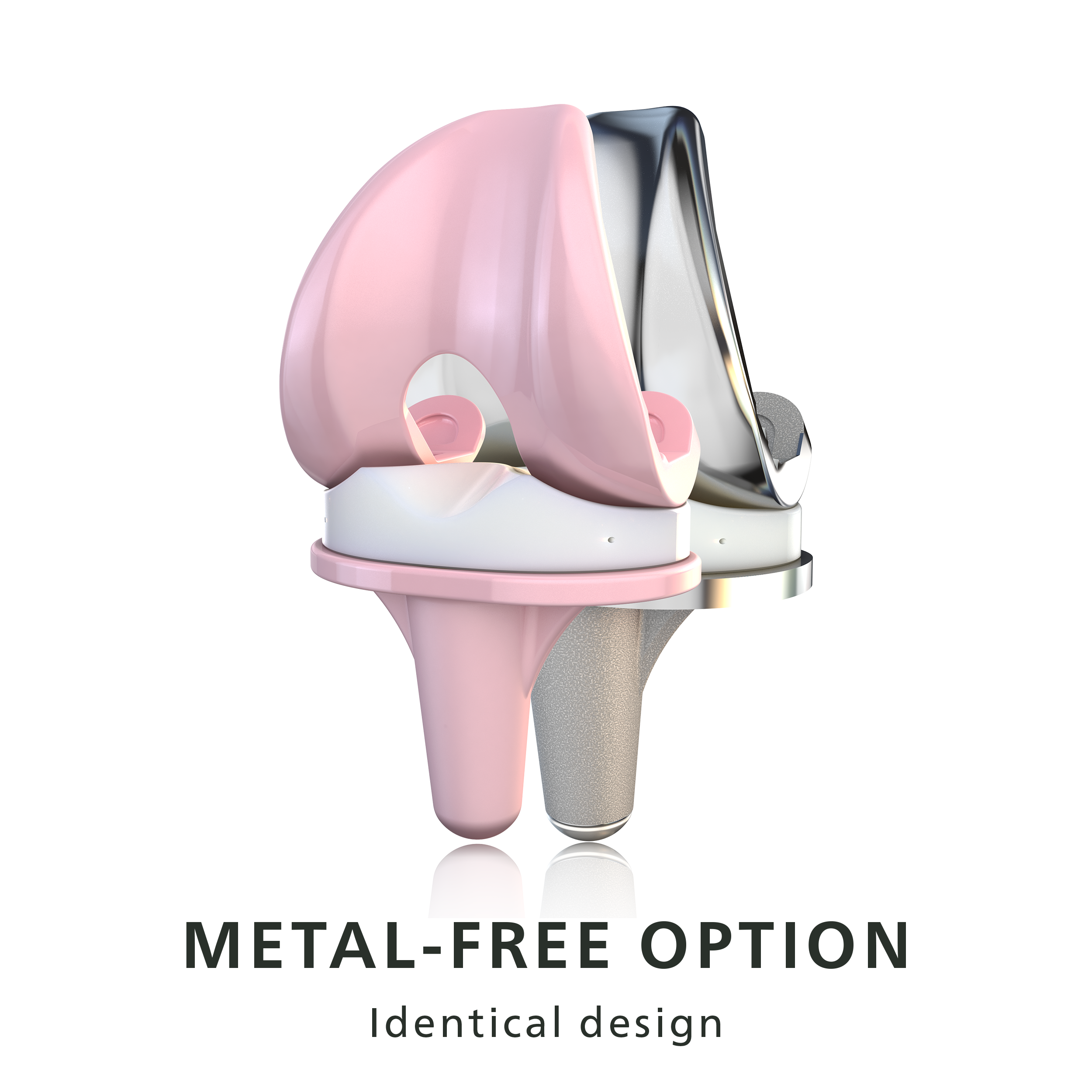
The BPK-S Integration includes a primary knee system with excellent wear behaviour, consistent soft tissue management and optimised patella guidance that meets the challenges of demographic change and changing patient behaviour regardless of gender (38). A metal-free treatment option is available out of BIOLOX delta Ceramic for metal-sensitive patients.

Furthermore the system can be adapted intraoperatively at any time to the patient’s individual soft tissue and defect situation simply by switching to higher coupling ratios. Its high flexibility enables a precise and efficient surgical procedure.

Inter-system compatibility for primary and revision procedures

The modular design of the BPK-S Integration System offers surgeons the option of flexibly adapting to the patient. The standardized cutting geometry and outer contour of the primary and revision implants ensure that the primary and revision components can be combined freely to a large extent, thus offering comprehensive treatment options. This individualised approach offers advantages for many patients. The surgeon can use exactly the joint components that best fit the patient’s anatomy.
Intraoperative flexibility – that is, the ability to adapt to each patient’s individual circumstances – combined with a precise implantation technique, makes the BPK-S Integration Knee System an excellent choice even for complex primary procedures.

______________________

Material

  • Cemented implants: Co28Cr6Mo
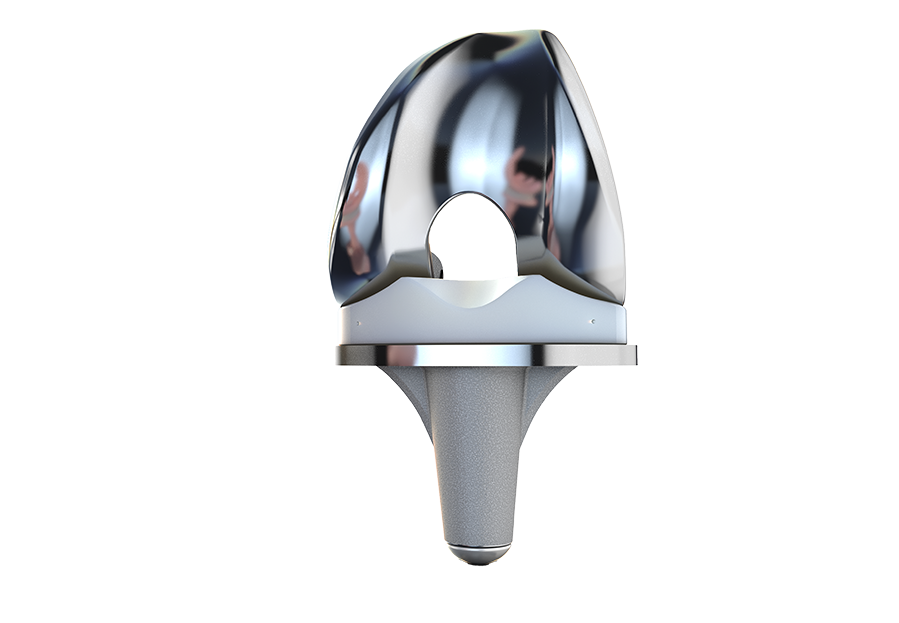
  • Cementless implants: Co28Cr6Mo + Grade 4 titanium (Titanium Rough Coated (TiRC))
  • Inserts and patella: UHMW-PE

______________________

Design & Function

Uncompromising stability thanks to complementary properties in the sliding bearing

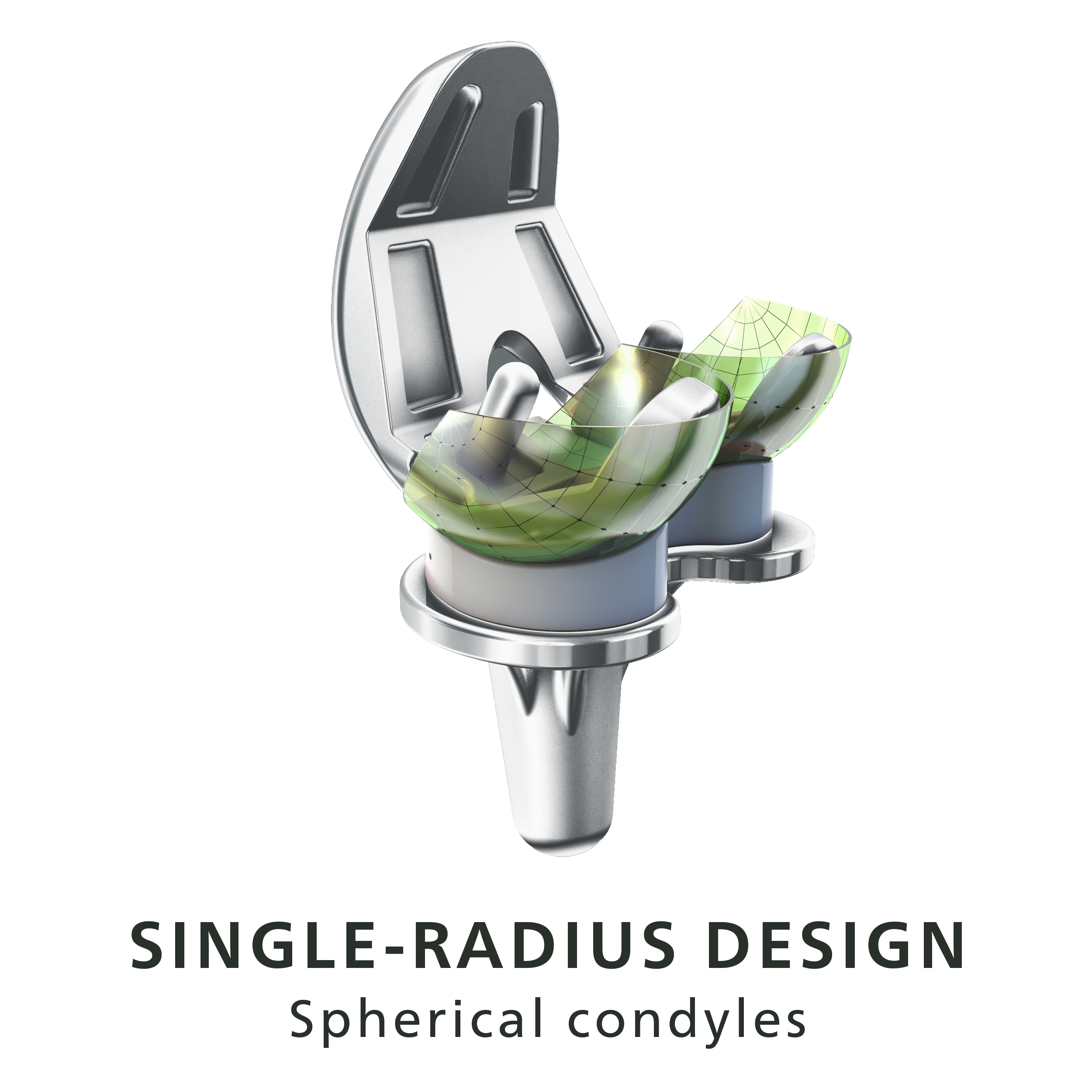
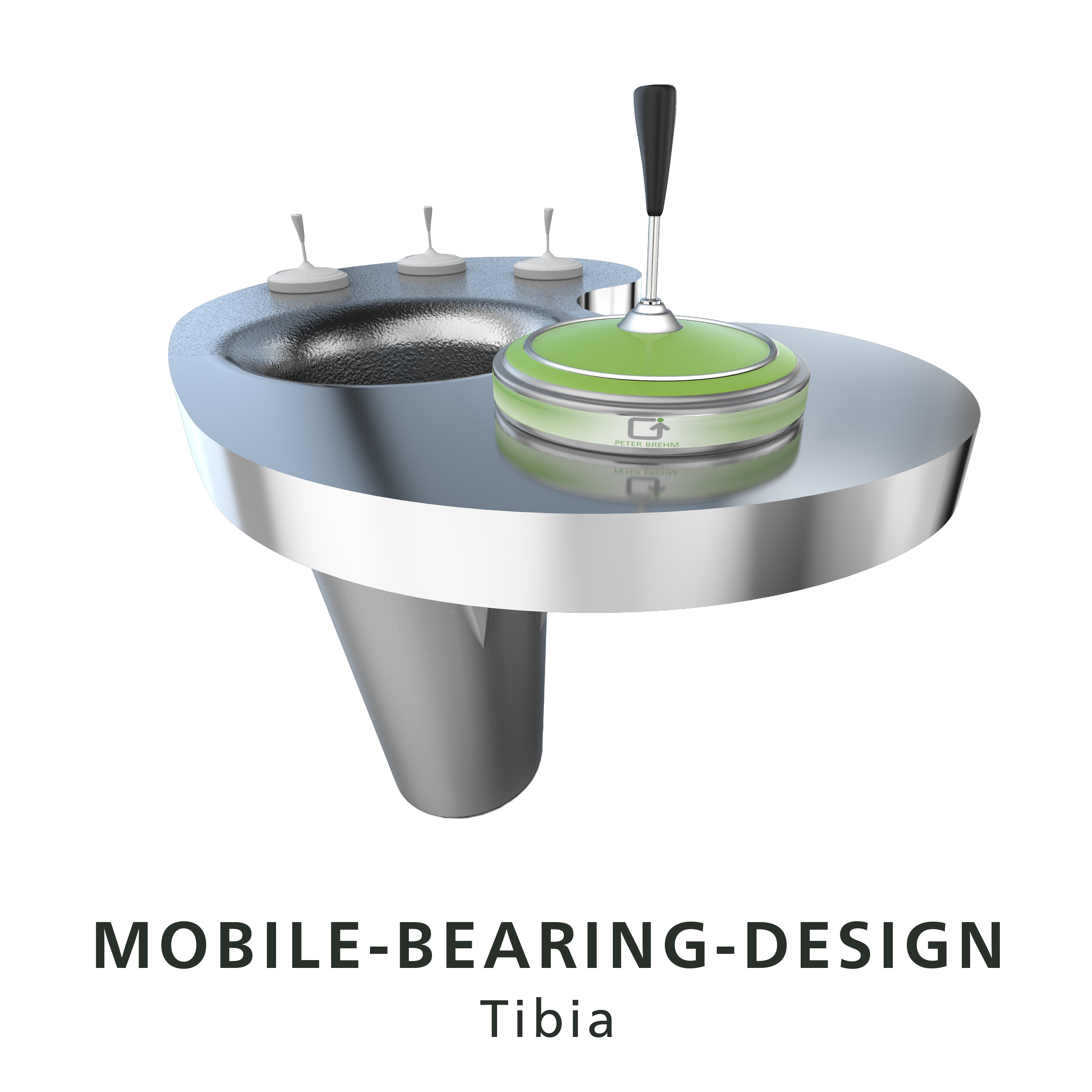
  • Superior joint function through the combination of two design features: SINGLE-RADIUS & MOBILE-BEARING for STABILITY & MOBILITY
    → High joint stability without restricting mobility
    → Increased comfort and patient satisfaction
    → Extends the service life of the implant

Benefits associated with the SINGLE-RADIUS design (spherical condyles)

  •  Consistent stability during active movement in the sagittal and coronal planes
  •  Reduced anterior knee pain due to improved function of the quadriceps and hamstring muscles
  •  Reduced incidence of ‘mid-flexion instability’
  •  Improved flexion/extension (‘range of motion’)
  •  Better functional outcomes, such as mobility, stability and pain relief, indicate higher patient satisfaction

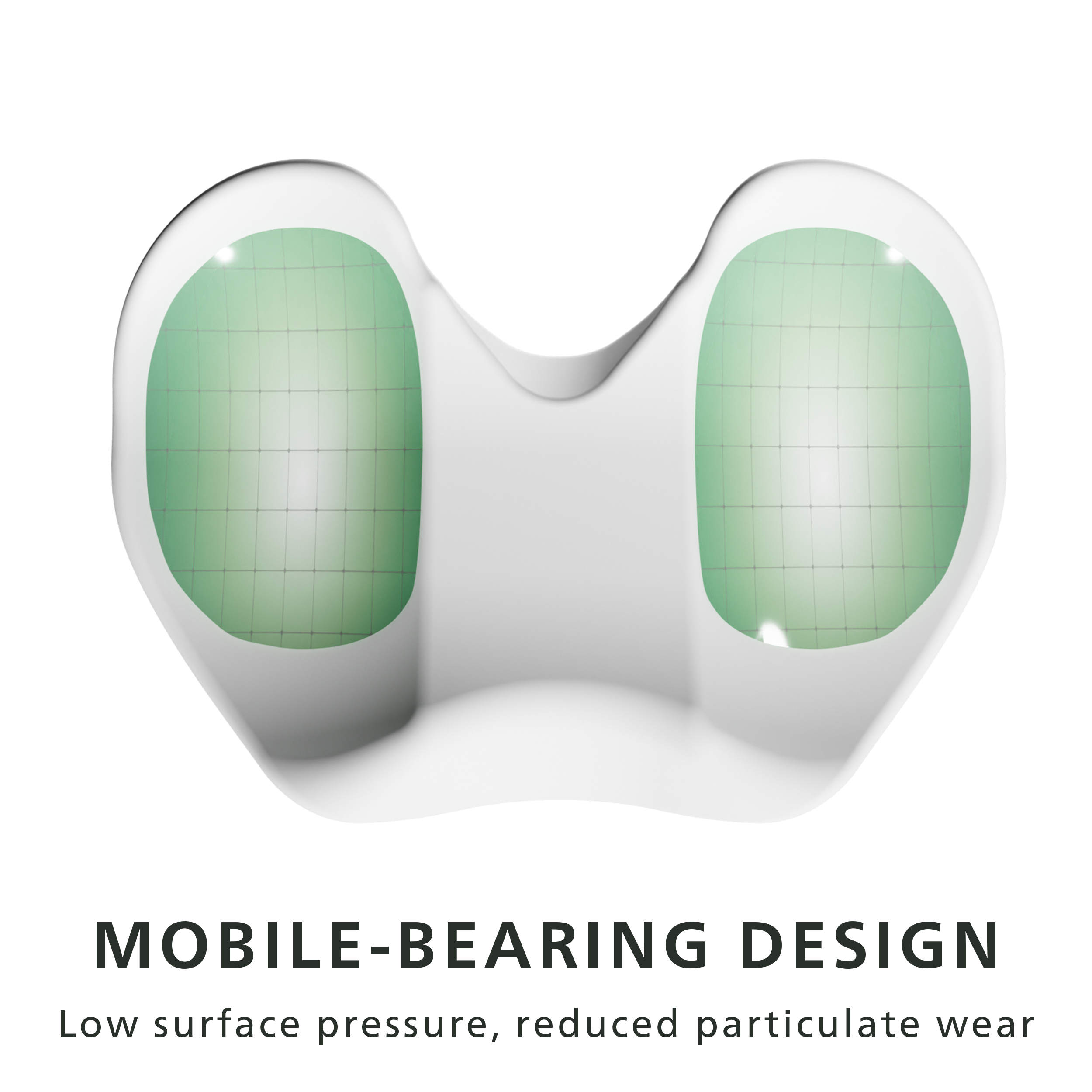
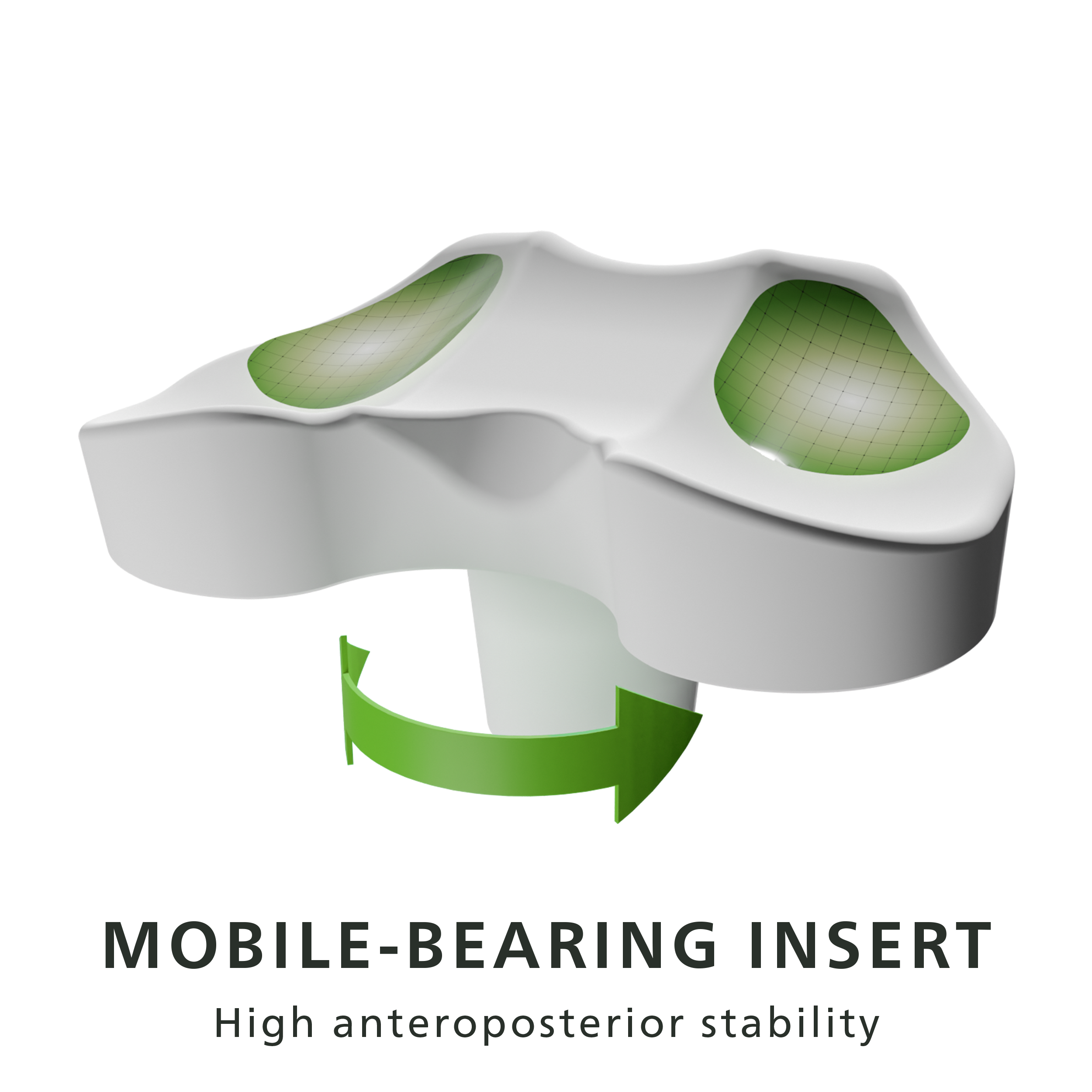
MOBILE-BEARING Design

  •  Separation of translation and rotation
    → Conversion of multidirectional movement patterns into unidirectional ones
  •  Improved wear resistance due to large contact surfaces
    → low contact pressure, reduced abrasion
  •  Self-alignment of tibio-femoral rotation – centring of femoral rotation to improve patellar tracking
  •  Reduced stress on the plain bearing and the interface between implant and bone

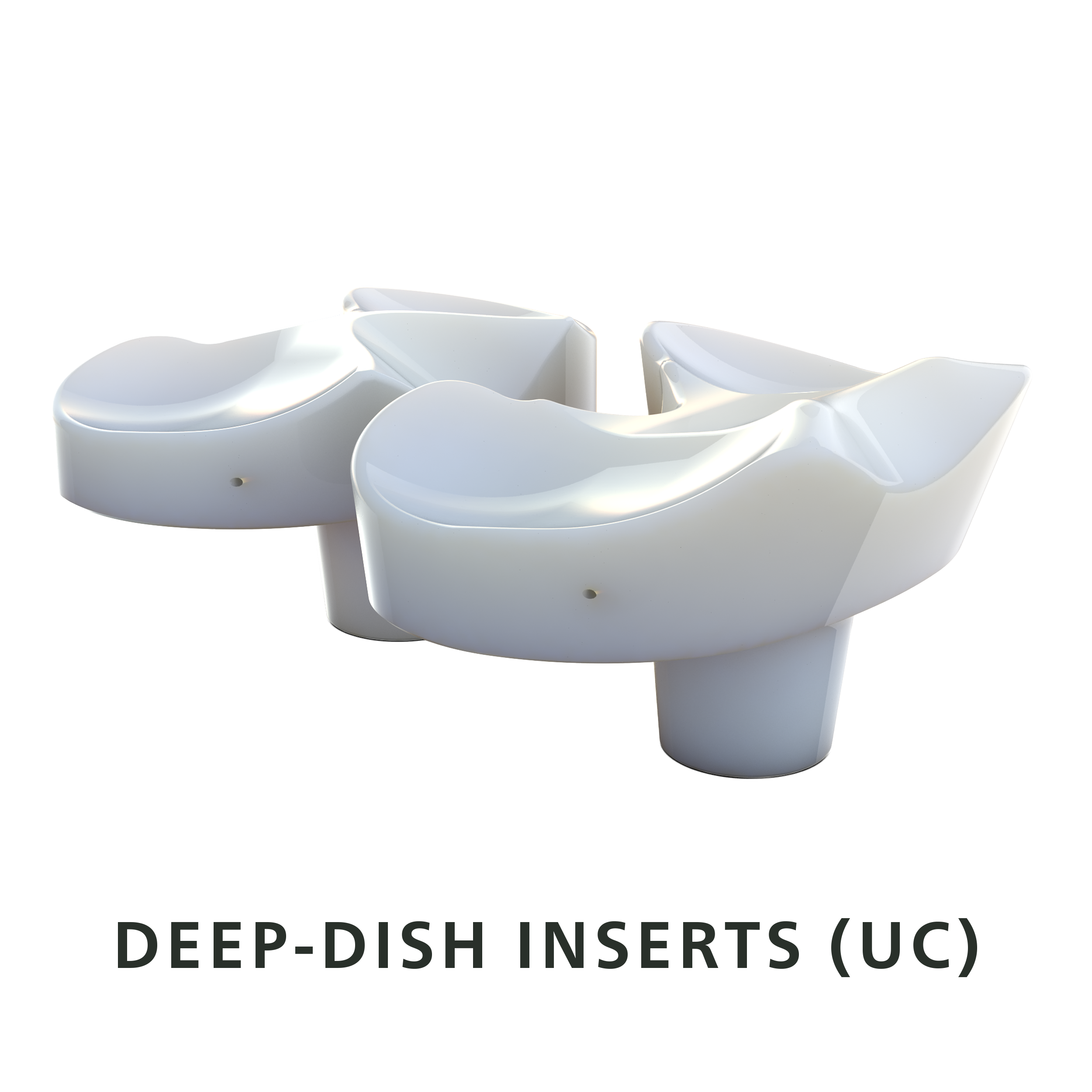
High anteroposterior stability with deep-dish inserts (ultra-congruent design)

  •  No forced guidance
  •  No damage to the guidance mechanisms (no PS pin)
  •  No additional bone resection required for the CAM/SPINE mechanism
  •  No increased risk of ‘patellar clunk syndrome’
  •  A single femoral component for both standard and anteroposterior stabilisation → simple management of secondary  anteroposterior instabilities
  •  Lower incidence of secondary patella replacement

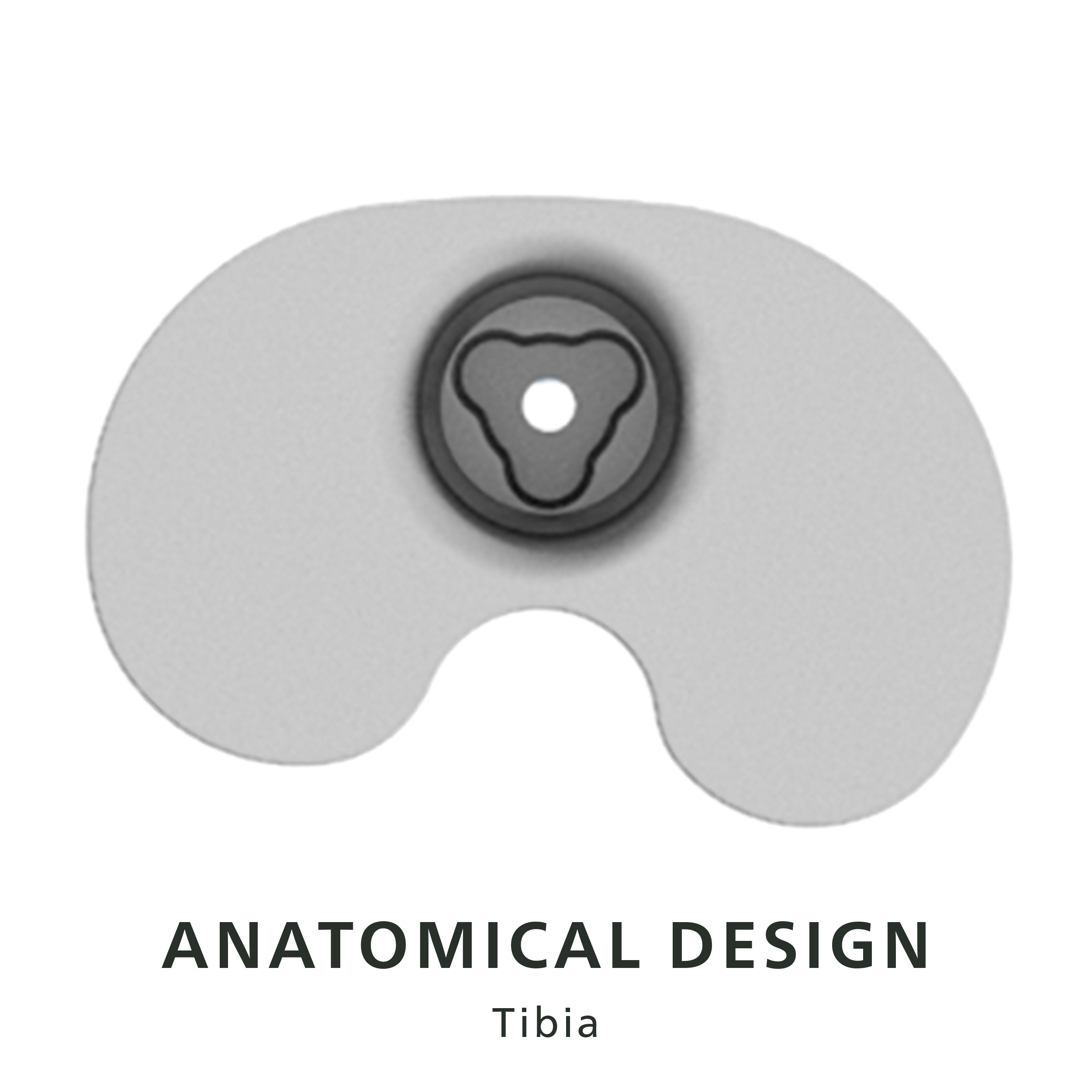
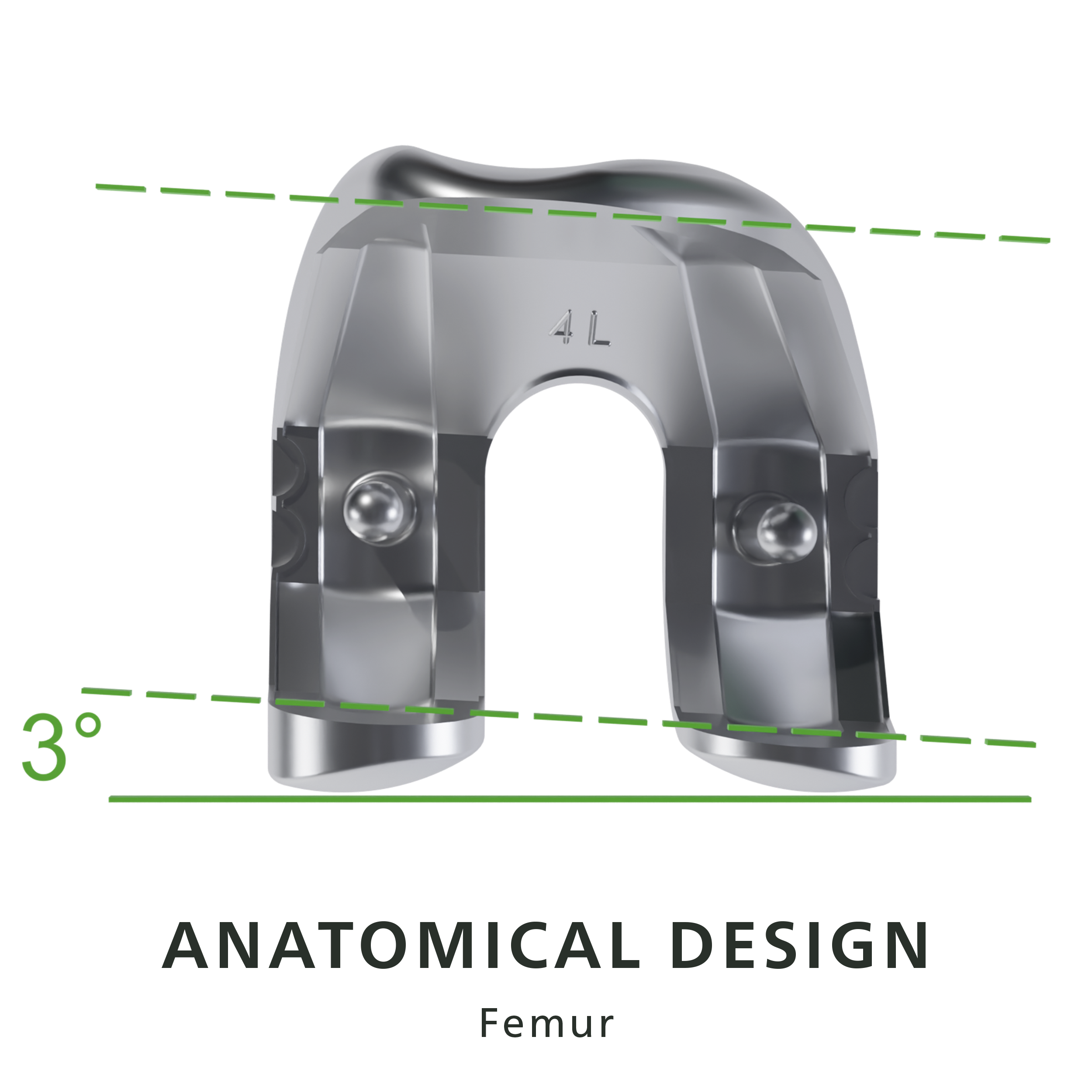
Anatomical design

Tibial implants

  • Improved cortical support to prevent implant migration and loosening
  • Prevention of soft tissue impingement

Femoral implants

  • Increased anterior contact area between the implant and bone
  • Reduced risk of anterolateral ‘notching’

______________________

System Overview,
Size Combinations

You can learn more here:

______________________

Advantages

  •  Clinically proven, anatomical, cemented and cementless implant solutions
  •  Inserts for mobile and fixed bearings, compatible with the same tibial component
  •  Wide range of tibio-femoral sizes for independent sizing of the femoral and tibial components (8)
  •  Interchangeable cruciate-preserving/cruciate-replacement and deep-dish inserts (ultra-congruent), even with already implanted femoral and tibial components
  •  Single-radius design with natural kinematic properties throughout the entire range of knee flexion (6,7,10,11,13,16–24,28,33,36) → improved function and patient satisfaction
  •  Self-alignment of tibiofemoral rotation, combined with high conformity of the bearing pair, joint stability and large contact surfaces thanks to the Mobile-Bearing option (1,2,5,9,12,14,15,25,26,29,30,31,32,37)
  •  Proven solution for metal-sensitive patients (3,4,27,34,35)
  •  Ligament-balanced technique for all implant types
    → Ensuring postoperative joint stability
Downloads

Here you will find product information. This includes the instrumentation guide (surgical technique), summaries of scientific articles (executive summaries), and clinical case reports.

Surgical Technique
BPK-S Integration
Brief description surgical technique
BPK-S Integration
Size determination
BPK-S Integration
BPK-S Integration Design Rationale
If stability and mobility matters
  1. Amaro JT, Novaretti JV, Astur DC, Cavalcante ELB, Rodrigues Junior AG, Debieux P, Kaleka CC, Cohen M. Higher Axial Tibiofemoral Rotation and Functional Outcomes with Mobile-Bearing Compared with Fixed-Bearing Total Knee Arthroplasty at 1- but Not at 2-Year Follow-Up-A Randomized Clinical Trial. J Knee Surg. 2020;33(5):474-480.
  2. Bernasek T, Stahl J, Haidukewich G. Mobile-Bearing Versus Fixed-Bearing Total Knee Arthroplasty: Results with a Cruciate-Retaining Knee System. J Arthroplasty 2007;22(2):P312
  3. Breuer, R., Fiala, R., Hartenbach, F. et al. Long term follow-up of a completely metal free total knee endoprosthesis in comparison to an identical metal counterpart. Sci Rep 2024;14:20958. https://pubmed.ncbi.nlm.nih.gov/39251687/
  4. Breuer R, Fiala R, Trieb K, Rath B. Prospective Mid-Term Results of a Completely Metal-Free Ceramic Total Knee Endoprosthesis: A Concise Follow-Up of a Previous Report. J Arthroplasty 2021;36(9):3161-3167. https://pubmed.ncbi.nlm.nih.gov/34090690/
  5. Bottlang M, Erne OK, Lacatusu E, Sommers MB, Kessler O. A mobile-bearing knee prosthesis can reduce strain at the proximal tibia. Clin Orthop Relat Res. 2006;447:105-111.
  6. Collados-Maestre I, Lizaur-Utrilla A, Gonzalez-Navarro B, Miralles-Muñoz FA, Marco-Gomez L, Lopez-Prats FA, Gil-Guillen, V. Better functional outcome after single-radius TKA compared with multi-radius TKA. Knee Surg Sports Traumatol Arthrosc. 2017;25(11):3508-3514.
  7. Cook LE, Klika AK, Szubski CR, Rosneck J, Molloy R, Barsoum WK. Functional outcomes used to compare single radius and multiradius of curvature designs in total knee arthroplasty. J Knee Surg. 2012;25(3):249-253.
  8. Data on file, PETER BREHM GmbH
  9. Dennis DA, Komistek RD. Mobile-bearing total knee arthroplasty: design factors in minimizing wear. Clin Orthop Relat Res. 2006;452:70-77.
  10. D‘Lima DD, Poole C, Chadha H, Hermida JC, Mahar A, Colwell CW Jr. Quadriceps moment arm and quadriceps forces after total knee arthroplasty. Clin Orthop Relat Res. 2001;392:213-220.
  11. Eckhoff DG, Bach JM, Spitzer VM, Reinig KD, Bagur MM, Baldini TH, Flannery NM. Three-dimensional mechanics, kinematics, and morphology of the knee viewed in virtual reality. J Bone Joint Surg Am. 2005;87 Suppl 2:71-80.
  12. Engh GA, Zimmerman RL, Parks NL, Engh CA. Analysis of wear in retrieved mobile and fixed bearing knee inserts. J Arthroplasty 2009;24(6 Suppl):28-32.
  13. Ezechieli M, Dietzek J, Becher C, Ettinger M, Calliess T, Ostermeier S, Windhagen H. The influence of a single-radius-design on the knee stability. Technol Health Care. 2012;20(6):527-534.
  14. Fisher J, Jennings LM, Galvin AL, Jin ZM, Stone MH, Ingham E. 2009 Knee Society Presidential Guest Lecture: Polyethylene wear in total knees. Clin Orthop Relat Res. 2010;468(1):12-18. https://pubmed.ncbi.nlm.nih.gov/19669846/
  15. Fisher J, McEwen H, Tipper J, Jennings L, Farrar R, Stone M, Ingham E. Wear-simulation analysis of rotating-platform mobile-bearing knees. Orthopedics. 2006;29(9 Suppl):S36-41.
  16. Gómez-Barrena E, Fernandez-García C, Fernandez-Bravo A, Cutillas-Ruiz R, Bermejo-Fernandez G. Functional performance with a single-radius femoral design total knee arthroplasty. Clin Orthop Relat Res. 2010;468(5):1214-1220. https://pubmed.ncbi.nlm.nih.gov/20012237/
  17. Hamilton DF, Burnett R, Patton JT, Howie CR, Moran M, Simpson AH, Gaston P. Implant design influences patient outcome after total knee arthroplasty: a prospective double-blind randomised controlled trial. Bone Joint J. 2015;97-B(1):64-70. https://pubmed.ncbi.nlm.nih.gov/25568415/
  18. Holthof SR, Rock M, van Arkel R, Brivio A, Barrett D, Amis AA. Evaluation of a novel robotic testing method for stability and kinematics of total knee arthroplasty. Knee Surg Sports Traumatol Arthrosc. 2025;33(4):1387-1396. https://pubmed.ncbi.nlm.nih.gov/39445624/
  19. Larsen B, Jacofsky MC, Jacofsky DJ. Quantitative, Comparative Assessment of Gait Between Single-Radius and Multi-Radius Total Knee Arthroplasty Designs. J Arthroplasty. 2015;30(6):1062-1067.
  20. Lee WC, Bin Abd Razak HR, Allen JC, Chong HC, Tan HCA. Achieving Minimum Clinically Important Difference in Oxford Knee Score and Short Form-36 Physical Component Summary Is Less Likely with Single-Radius Compared with Multiradius Total Knee Arthroplasty in Asians. J Knee Surg. 2019;32(3):227-232.
  21. Li M, Zhang L, Zhang R, Ma Y, Liao J, Li Q, Deng Z, Zheng Q. Better quadriceps and hamstring strength is achieved after Total knee Arthroplasty with single radius femoral prostheses: a retrospective study based on isokinetic and isometric data. Arthroplasty. 2020;2(1):5.
https://pubmed.ncbi.nlm.nih.gov/35236469/
  22. Luo Z, Luo Z, Wang H, Xiao Q, Pei F, Zhou Z. Long-term results of total knee arthroplasty with single-radius versus multiradius posterior-stabilized prostheses. J Orthop Surg Res. 2019; 14(1):139. https://pubmed.ncbi.nlm.nih.gov/31097037/
  23. Luo Z, Zhou K, Wang H, Pei F, Zhou Z. Comparison between Mid-Term Results of Total Knee Arthroplasty with Single-Radius versus Multiple-Radii Posterior-Stabilized Prostheses. J Knee Surg. 2022;35(2):204-214.
  24. Mahoney OM, McClung CD, dela Rosa MA, Schmalzried TP. The effect of total knee arthroplasty design on extensor mechanism function. J Arthroplasty. 2002;17(4):416-421.
  25. McEwen HM, Barnett PI, Bell CJ, Farrar R, Auger DD, Stone MH, Fisher J. The influence of design, materials and kinematics on the in vitro wear of total knee replacements. J Biomech. 2005;38(2):357-365.
  26. Malinzak RA, Small SR, Rogge RD, Archer DB, Oja JW, Berend ME, Ritter MA. The effect of rotating platform TKA on strain distribution and torque transmission on the proximal tibia. J Arthroplasty. 2014;29(3):541-547.
  27. Meier E, Gelse K, Trieb K, et al. First clinical study of a novel complete metal-free ceramic total knee replacement system. J Orthop Surg Res. 2016;11:21. https://pubmed.ncbi.nlm.nih.gov/26857704/
  28. Ostermeier S, Stukenborg-Colsman C. Quadriceps force after TKA with femoral single radius. Acta Orthop. 2011;82(3):339-343.
https://pubmed.ncbi.nlm.nih.gov/21504308/
  29. Ranawat CS, Komistek RD, Rodriguez JA, Dennis DA, Anderle M. In vivo kinematics for fixed and mobile-bearing posterior stabilized knee prostheses. Clin Orthop Relat Res. 2004;(418):184-190.
  30. Rees JL, Beard DJ, Price AJ, Gill HS, McLardy-Smith P, Dodd CA, Murray DW. Real in vivo kinematic differences between mobile-bearing and fixed-bearing total knee arthroplasties. Clin Orthop Relat Res. 2005;(432):204-209.
  31. Sawaguchi N, Majima T, Ishigaki T, Mori N, Terashima T, Minami A. Mobile-bearing total knee arthroplasty improves patellar tracking and patellofemoral contact stress: in vivo measurements in the same patients. J Arthroplasty. 2010;25(6):920-925.
  32. Stiehl JB. Comparison of tibial rotation in fixed and mobile bearing total knee arthroplasty using computer navigation. Int Orthop. 2009;33(3):679-685.  https://pubmed.ncbi.nlm.nih.gov/18618114/
  33. Sumner B, McCamley JD, Jacofsky DJ, Jacofsky MC. Comparison of Knee Kinematics and Kinetics during Stair Ascent in Single-Radius and Multiradius Total Knee Arthroplasty. J Knee Surg. 2019;32(9):872-878.
  34. Thomas P, Roider G, Beraudi A, et al. Metal Implant Allergy and Immuno-Allergological Compatibility Aspects of Ceramic Materials. Springer-Verlag Berlin Heidelberg 2015.
  35. Trieb K, Ullmann D. Metzinger K, et al. Prospective Comparison of a Metal-Free Ceramic Total Knee Arthroplasty with an identical Metal system. Z Orthop. 2018;156:46-52. https://doi.org/10.1055/s-0043-118600
  36. Wang H, Simpson KJ, Ferrara MS, Chamnongkich S, Kinsey T, Mahoney OM. Biomechanical differences exhibited during sit-to-stand between total knee arthroplasty designs of varying radii. J Arthroplasty. 2006;21(8):1193-1199.
  37. Yang CC, McFadden LA, Dennis DA, Kim RH, Sharma A. Lateral retinacular release rates in mobile- versus fixed-bearing TKA. Clin Orthop Relat Res. 2008;466(11):2656-2661. https://pubmed.ncbi.nlm.nih.gov/18709430/
  38. Muenzberg M, Stretz C, Baur W, Stangl R, Merschin D. Gender influence on the outcome of an unisex total knee arthroplasty system. Technol Health Care. 2014;22(1):129-136 https://pubmed.ncbi.nlm.gov/24361984/

Metalsensitive? We have the solution!

Femur- und Tibiakomponente BPK-S Integration Ceramic

BPK-S Integration Ceramic

Knee Primary