Prevention of metallic intolerance

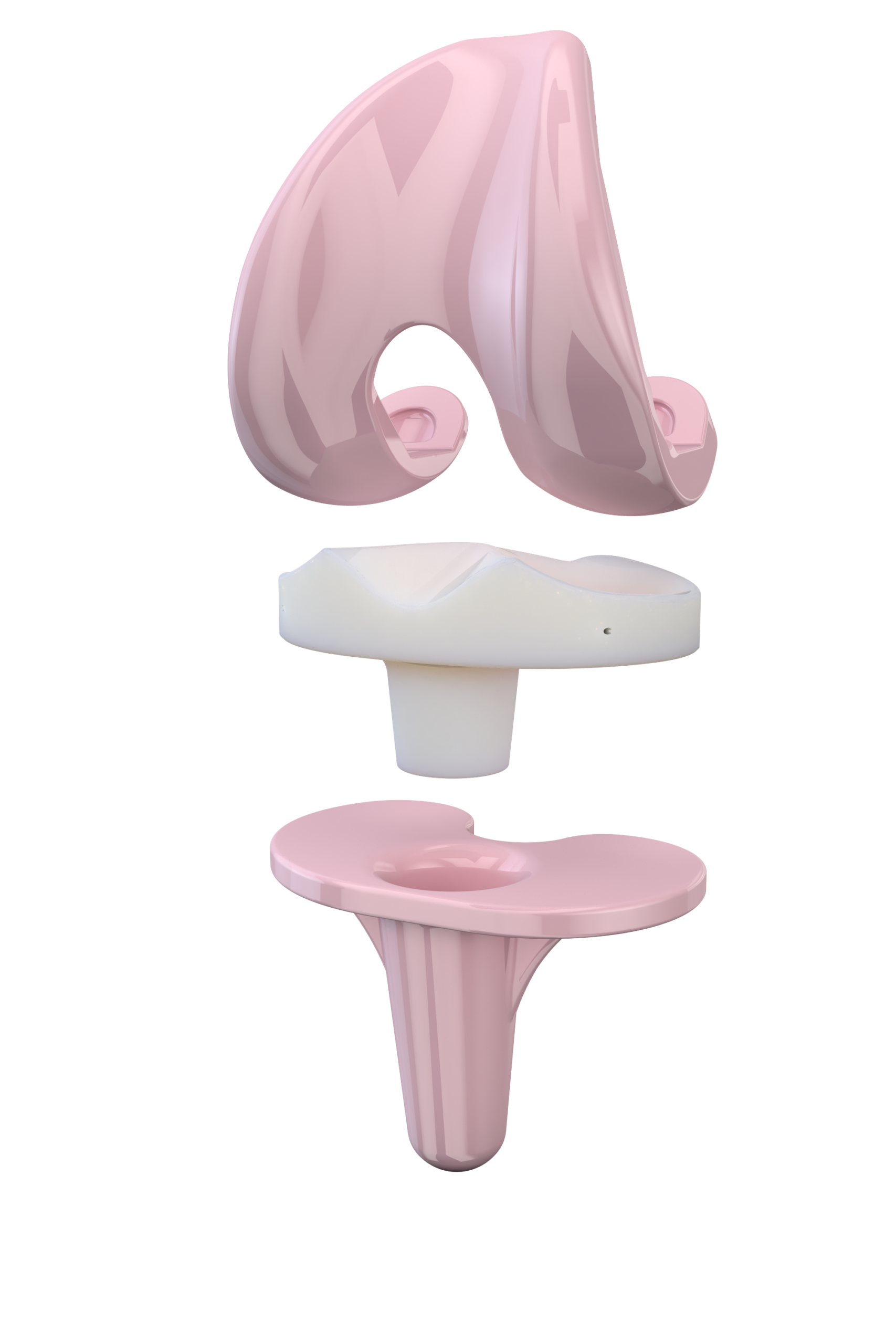
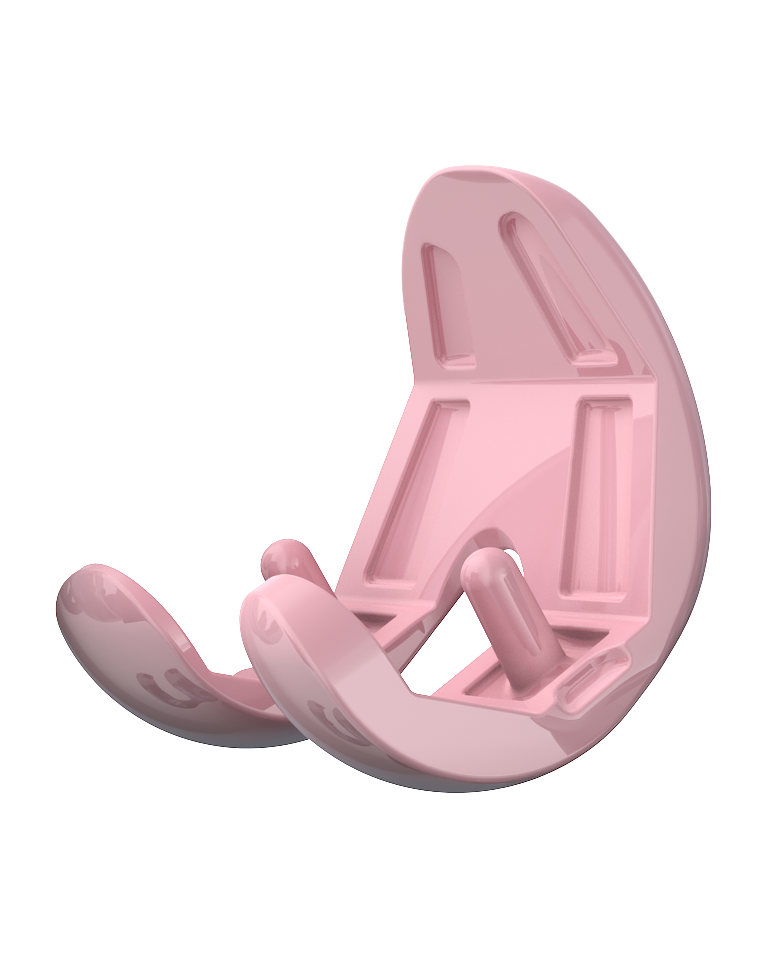
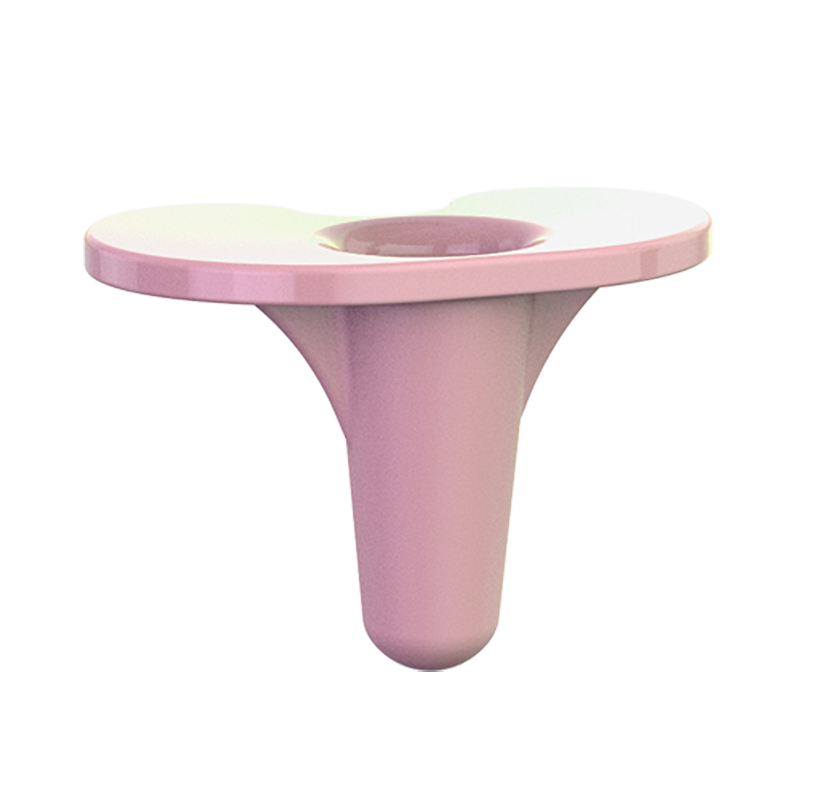
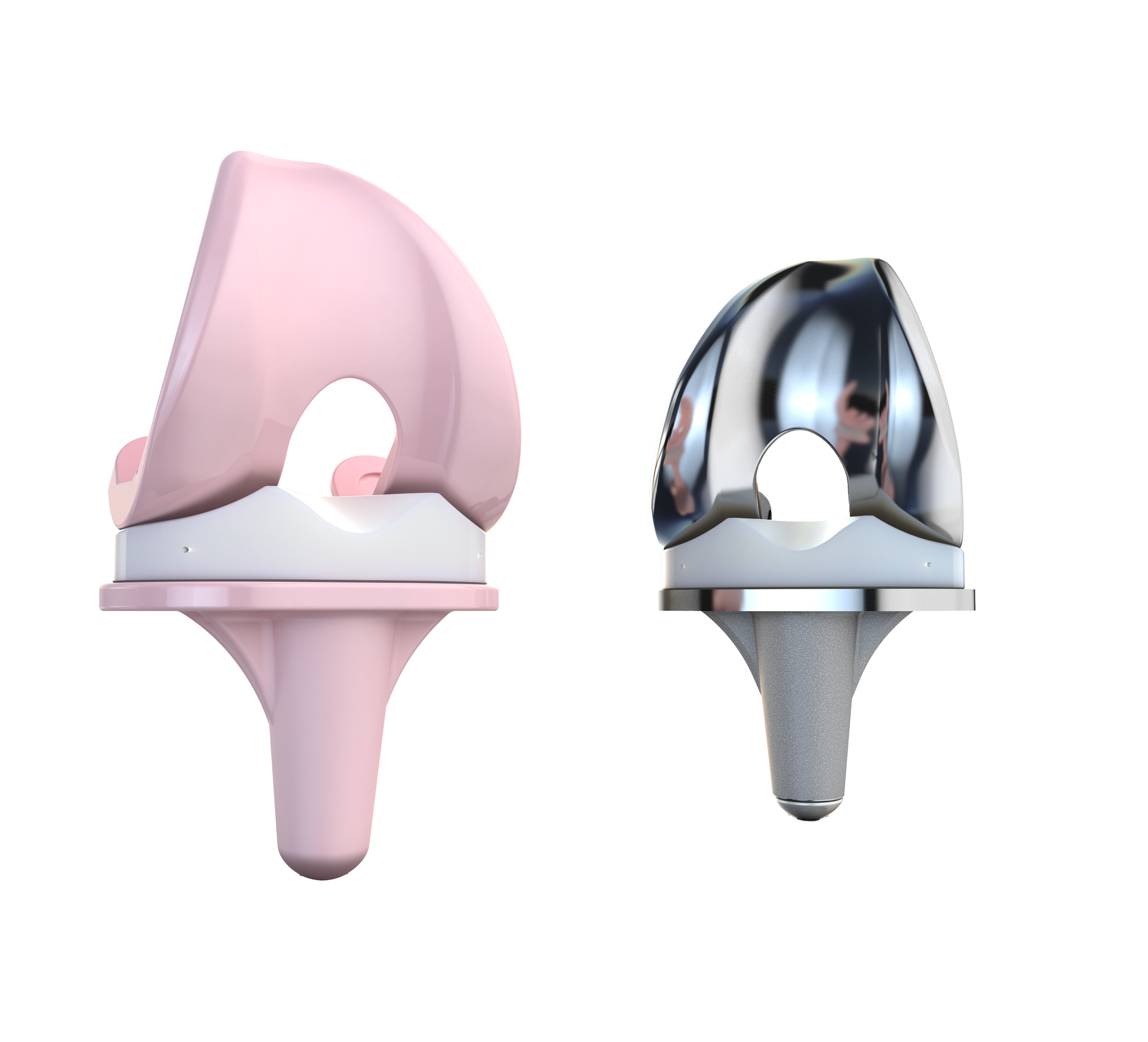
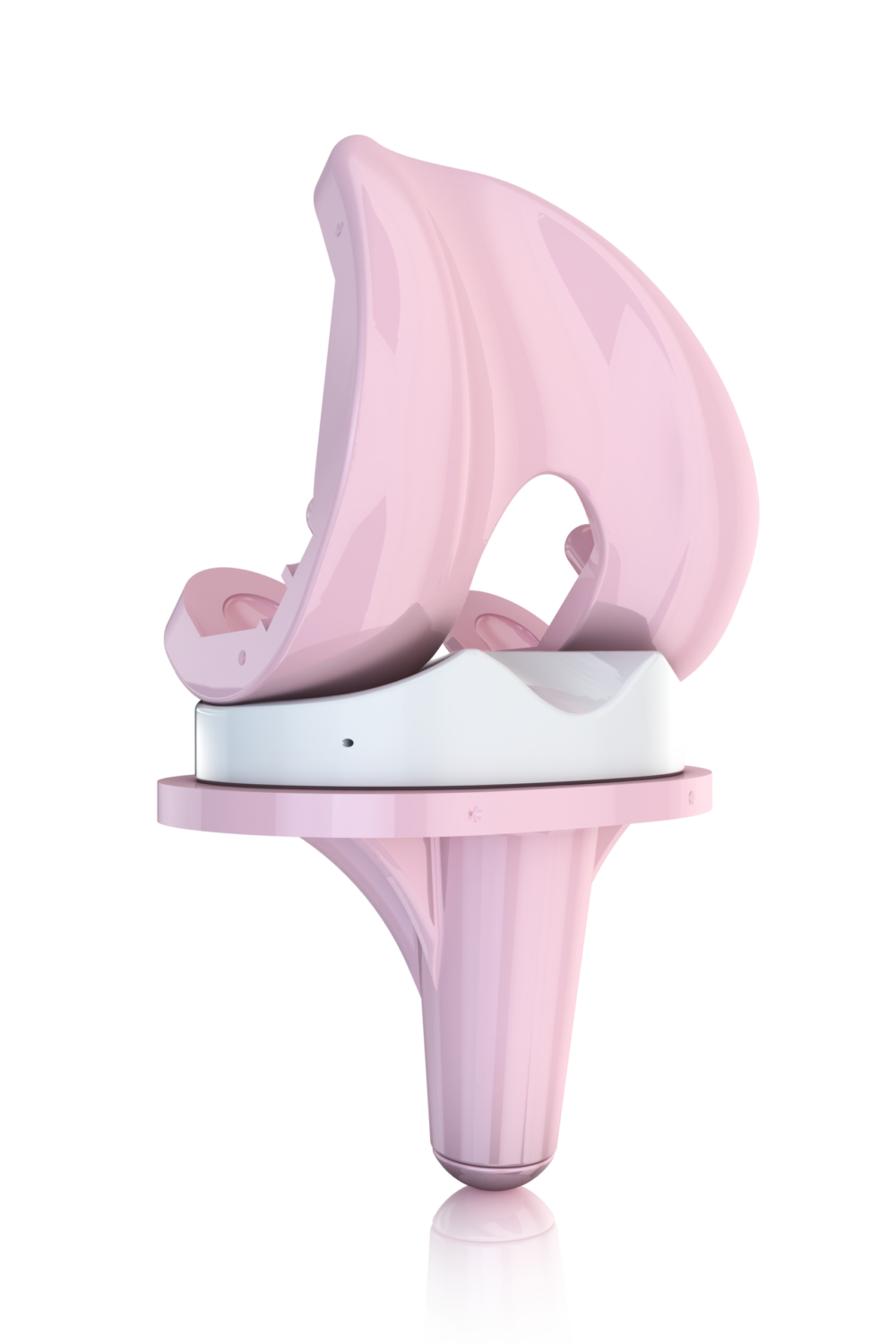
The development of the ceramic knee system led to the integration of an additional material variant into the existing, proven knee system. The clinically established design is roughly identical for both materials (ceramic and metal).

The BPK-S Integration Ceramic Knee System offers a unique solution to protect against potential metal-related complications in patients with metal sensitivity.

The report by the US Food and Drug Administration (FDA, 2019), studies and case reports show that metal intolerance (CoCr material) can be a cause of unexplained symptoms, metal-related pathologies, instability, restricted movement, implant failure and revision surgery.

The dose and duration of metal exposure interact with patient factors. Dental material intolerance, atopic conditions (e.g. hay fever, asthma, atopic dermatitis) and individual genetic predisposition may contribute to an increased susceptibility to complications and painful endoprostheses. (2,3,4,6,8,10,12,18,21)

Clinically proven

BIOLOX delta is safe in terms of metal ion release and is characterised by excellent biocompatibility. (20, 24) The results confirm that the BPK-S Integration Ceramic knee system is a suitable and safe option for metal-sensitive patients. (1,9)

The clinical efficacy and safety of the BPK-S Integration Ceramic knee system have been demonstrated in experimental studies under in vitro conditions and in clinical trials with excellent medium- and long-term results. (1,5,7,9,11,13,15,16,17,20,22)

______________________

Material

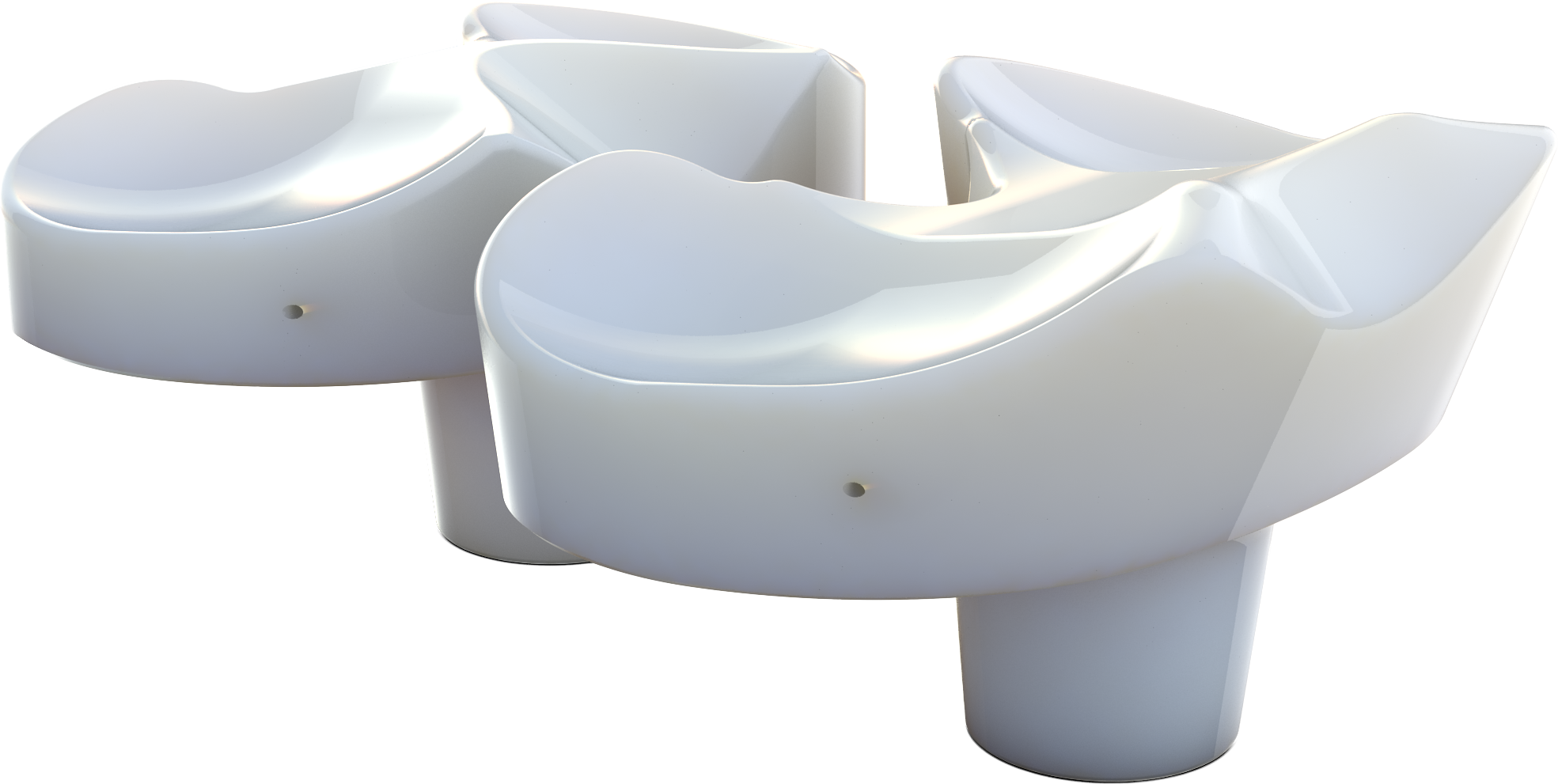
  • Insert and Patella: UHMW-PE

______________________

Design & Function

Stability without compromise thanks to complementary properties at the bearing

  • Superior joint function through the combination of two design features: SINGLE-RADIUS & MOBILE-BEARING for STABILITY & MOBILITY
    → High joint stability without restricting mobility
    → Increased patient comfort and patient satisfaction
    → Improved implant longevity

Associated benefits of the SINGLE-RADIUS design (Spherical Condyles)

  • Constant stability throughout active motion in the sagittal and coronal plane
  • Beneficial quadriceps and hamstring strength followed by reduced anterior knee pain
  • Reduced prevalence of mid -flex -instability
  • Improved flexion/extension (range of motion)
  • Improved outcomes in terms of function scores, indicating superior patient satisfaction, knee motion, stability and pain relief.

MOBILE-BEARING design

  • Separation of translation and rotation
    → Conversion of multi-directional to uni-directional motion pattern
  • Improved wear characteristics due to large contact surfaces
    → low surface pressure, reduced abrasion
  • Self-alignment of tibio-femoral rotation – centralising femoral rotation for improved patellar tracking
  • Relief of strain at the bearing and the implant/ bone interface.

INCREASED Antero-Posterior Stability with Deep-Dish Insert (Ultra-Congruent design)

  • No forced guidance is disclaimed
  • No damages to the guidance mechanisms (no PS pin)
  • No additional bone resection for CAM/SPINE mechanism
  • No additional risk for ‘patella clunk-syndrome’
  • One femoral component for standard and antero-posterior stabilisation
    → Simple treatment of secondary antero-posterior instabilities
  • Less prevalence for secondary patalla resurfacing procedure

ANATOMICALLY SHAPED Implant Design

Tibial Implants

  • Improved cortical support to prevent implant migration and loosening
  • Avoid soft tissue impingement.

Femoral Implants

  • Increased anterior implant/bone contact area
  • Reduced risk for antero-lateral notching

______________________

System Overview /
Size Combinations

Your can learn more here:

______________________

Advantages

  • Excellent biocompatibility (20)
  • Less bacterial adhesion and biofilm formation on ceramic surfaces (14,19)
  • Excellent wear characteristics, significantly reduced polyethylene wear (22)
  • Stable and reliable reconstruction of joint kinematics
  • Implantation using the standard instruments intended for the BPK-S Integration metal knee system; with the exception of modified applicators for the ceramic femoral and tibial components
  • Superior imaging (CT, MRI) due to significantly fewer artefacts compared to standard metal knee prostheses (CoCr alloy) (5,11)
  • Excellent medium- and long-term results (1,9,16,17)
Downloads

Here you will find product information. This includes the instrumentation guide (surgical technique), summaries of scientific articles (executive summaries), and clinical case reports.

Surgical Technique
BPK-S Integration
Brief description Surgical technique
BPK-S Integration
Case reports
Executive Summary
Product portfolio Knee
  1. Breuer, R., Fiala, R., Hartenbach, F. et al. Long term follow-up of a completely metal free total knee endoprosthesis in comparison to an identical metal counterpart. Sci Rep 2024;14:20958. https://pubmed.ncbi.nlm.nih.gov/39251687/
  2. Rajamäki A, Lehtovirta L, Niemeläinen M, et al. Mild aseptic lymphocyte-dominated vasculitis-associated lesion (ALVAL)-type reactions also present in patients with failed knee prostheses. Bone Joint Res. 2024;13(4):149-156. doi: 10.1302/2046-3758.134.BJR-2023-0255.R1.
  3. Soler F, Murcia A, Benlloch M, Mariscal G. The impact of allergies on patient-reported outcomes after total hip and knee arthroplasty: a systematic review and meta-analysis. Arch Orthop Trauma Surg. 2024;144(8):3755-3765.doi: 10.1007/s00402-024-05433-z.
  4. Langton DJ, Bhalekar RM, Joyce TJ, et al. The influence of HLA genotype on the development of metal  hypersensitivity following joint replacement. Commun Med (Lond) 2022;2:73. https://doi.org/10.1038/s43856-022-00137-0 
  5. Pfluger CJ, Materialabhängigkeit implantatassoziierter Artefakte im MRT am Beispiel metallischer vs. keramischer Knie-Endoprothesen. Dissertation, Medizinische Fakultät der Friedrich-Alexander-Universität Erlangen-Nürnberg, 2022.
  6. Summer B, Lill D, Remmel K, et al. An interleukin-1 polymorphism additionally intensified by atopy as prognostic factor for aseptic non-mechanical complications in metal knee and hip arthroplasty. Front Immunol. 2022;13:1050315. https://doi.org/10.3389/fimmu.2022.1050315
  7. Trieb K, Artmann A, Krupa M, et al. Evaluation of temperature of a full ceramic total knee arthroplasty during MRI examination. Medicine (Baltimore). 2022;101(39):e30685. https://doi.org/10.1097/MD.0000000000030685
  8. Bellova P, Pablik J, Stiehler M, et al. Large soft-tissue mass formation after revision total knee arthroplasty: an unusual case of adverse reaction to metal debris and review of the literature. Arthroplasty Today 2021;9:122-128. https://doi.org/10.1016/j.artd.2021.05.001
  9. Breuer R, Fiala R, Trieb K, Rath B. Metal-Free Ceramic Total Knee Endoprosthesis: A Concise Follow-Up of a Previous Report. J Arthroplasty 2021;36(9):3161-3167. https://pubmed.ncbi.nlm.nih.gov/34090690/
  10. Biological responses to metal implants. U.S. Food & Drug Administration (FDA), 2019: 1-143. https://www.fda.gov/media/131150/download
  11. Kasparek MF, Töpker M, Lazar M, et al. Dual-energy CT and ceramic or titanium prostheses material reduce CT artifacts and provide superior image quality of total knee arthroplasty. Knee Surg Sports Traumatol Arthosc. 2019;27(5):1551-1561. https://doi.org/10.1007/s00167-018-5001-8
  12. Kurmis AP, Herman A, McIntyre AR et al. Pseudotumors and High-Grade Aseptic Lymphocyte-Dominated Vasculitis- Associated Lesions Around Total Knee Replacements Identified at Aseptic Revision Surgery: Findings of a large-Scale Histologic Review. J Arthroplasty 2019;34(10):2434-2438. https://doi.org/10.1016/j.arth.2019.05.025
  13. Trieb K, Glinz J, Reiter M, et al. Non-Destructive Testing of Ceramic Knee Implants Using Micro-Computed Tomography. J Arthroplasty. 2019;34(9):2111-2117. https://doi.org/10.1016/j.arth.2019.05.006
  14. Sorrentino R, Cochis A, Azzimonti B, et al. Reduced bacterial adhesion on ceramics used for arthroplasty applications. J Eur Ceram Soc. 2018;38(3):963-970. https://doi.org/10.1016/j.jeurceramsoc.2017.10.008
  15. Trieb K. A novel ceramic tibial component is as safe as ist metal counterpart. Biomed Tech (Berl). 2018;63(3):327-332. https://doi.org/10.1515/bmt-2016-0231
  16. Trieb K, Ullmann D. Metzinger K, et al. Prospective Comparison of a Metal-Free Ceramic Total Knee Arthroplasty with an identical Metal system. Z Orthop. 2018;156:46-52. https://doi.org/10.1055/s-0043-118600
  17. Meier E, Gelse K, Trieb K, et al. First clinical study of a novel complete metal-free ceramic total knee replacement system. J Orthop Surg Res. 2016;11:21. https://pubmed.ncbi.nlm.nih.gov/26857704/
  18. Thomsen M, Krenn V, Thomas P. Adverse Reaktionen gegenüber orthopädisch-chirurgischen Metallimplantaten nach Kniegelenkersatz [Adverse reactions to metal orthopedic implants after knee arthroplasty]. Hautarzt 2016;67:347. https://doi.org/10.1007/s00105-016-3793-3
  19. Trampuz A, Maiolo EM, Winkler T, Perka C. Biofilm formation on ceramic, metal and polyethylene bearing components from hip joint replacement systems. Orthopaedic Proceedings 2016;98-B (SUPP 10):80. https://boneandjoint.org.uk/Article/10.1302/1358-992X.98BSUPP_10.ISTA2015-080
  20. Thomas P, Roider G, Beraudi A, et al. Metal Implant Allergy and Immuno-Allergological Compatibility Aspects of Ceramic Materials. Springer-Verlag Berlin Heidelberg 2015.
  21. Thakur RR, Ast MP, McGraw, et al. Severe persistent synovitis after cobalt-chromium total knee arthroplasty requiring revision. Orthopedics 2013;36:e520. https://doi.org/10.3928/01477447-20130327-34
  22. Zietz C, Bergschmidt P, Lange R, et al. Third-body abrasive wear of tibial polyethylene inserts combined with metallic and ceramic femoral components in a knee simulator study. Int J Artif Organs. 2013;36(01):47-55. https://doi.org/10.5301/ijao.5000189
  23. Heim CS, Postak PD, Plaxton NA, Greenwald AS. Classification of mobile-bearing knee designs: mobility and constraint. J Bone Joint Surg Am. 2001;83-A Suppl 2(Pt 1):32-7. https://doi.org/10.2106/00004623-200100021-00008
  24. Kretzer JP, Mueller U, Streit MR, Kiefer H, Sonntag R, Streicher RM, Reinders J. Ion release in ceramic bearings for total hip replacement: Results from an in vitro and an in vivo study. Int Orthop. 2018;42(1):65-70. https://pubmed.ncbi.nlm.nih.gov/28725970/